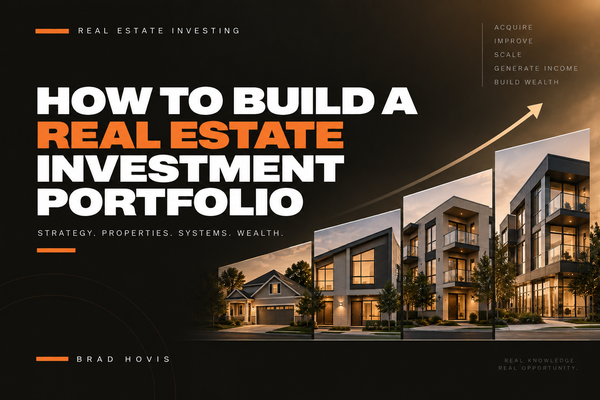
Building a real estate investment portfolio is a long-term process. Instead of focusing only on acquiring individual properties, investors need to think about how each acquisition fits into a larger strategy.
Define Your Portfolio Goals
Start by determining what you want your portfolio to accomplish.
You may prioritize:
- Cash flow
- Equity growth
- Long-term appreciation
- Diversification
- Retirement income
- Portfolio size
Your objectives will influence the properties you acquire.
Establish Acquisition Criteria
Create clear criteria before you start buying.
Consider:
- Location
- Property type
- Purchase price
- Expected rental income
- Cash flow requirements
- Financing
- Target return
- Risk factors
Having defined criteria can make it easier to evaluate opportunities consistently.
Understand Financing
Financing can influence how quickly a portfolio grows and how much capital you need for each acquisition.
Learn how real estate leverage works, including both its potential benefits and risks.
Focus on Portfolio-Level Performance
One property may perform differently from another.
Instead of looking at each property independently, periodically review the portfolio as a whole.
Look at total:
- Revenue
- Expenses
- Debt
- Cash flow
- Equity
- Property value
- Return on invested capital
Build Systems
As your portfolio grows, management becomes increasingly important.
Document processes for acquisitions, property management, financial reporting, maintenance, tenant communication, and decision-making.
Systems can help investors manage greater complexity as the portfolio expands.
Think Long Term
Portfolio building is not simply about buying as many properties as possible.
Each acquisition should fit your overall strategy and financial capacity.
A thoughtful approach can help create a portfolio designed around your specific objectives.